Published: 1 min readSilica & Diatomite
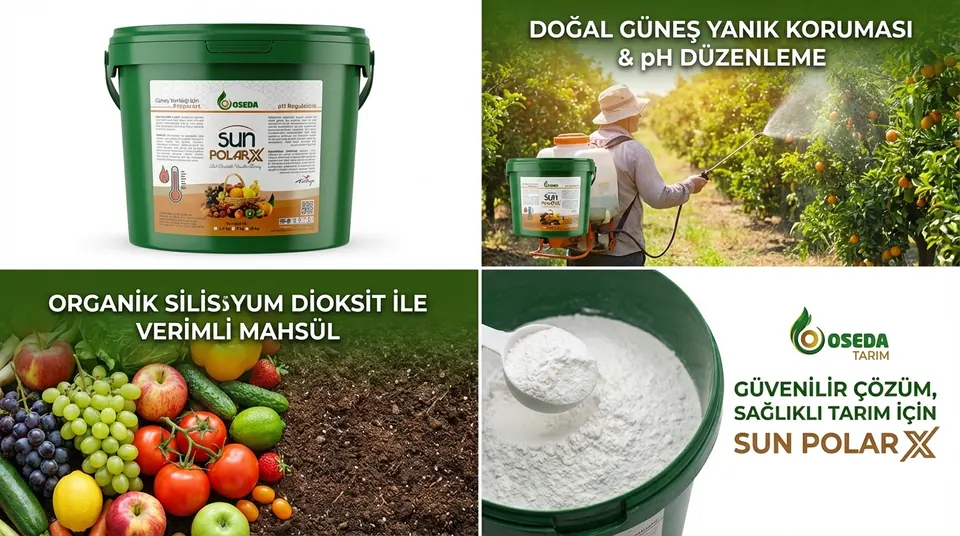
The role of silicon in cell-wall strength and stress tolerance, and what you should know about diatomite as a natural silicon source.
Silicon is the second most abundant element in the Earth’s crust after oxygen, yet most soil silicon is in forms plants cannot take up directly. That is why silicon supplementation is gaining importance in intensive agriculture.
What does silicon do for plants?
- Accumulates in cell walls and contributes to tissue strength.
- Supports leaf-surface resilience.
- Contributes to tolerance of heat, drought and wind stress.
- Helps plants grow firmer and more upright.
What is diatomite (diatomaceous earth)?
Diatomite is a natural rock formed from the fossilised shells of microscopic algae called diatoms that lived in lakes and seas. It is rich in silicon dioxide (SiO₂), lightweight and porous. Türkiye holds significant diatomite reserves.
Which crops benefit?
Besides silicon-accumulating crops such as cereals, rice and sugarcane, silicon is used in greenhouse crops such as tomato, cucumber and strawberry, and in orchards. It can be added to programmes to support plant resilience, especially in hot and windy periods.
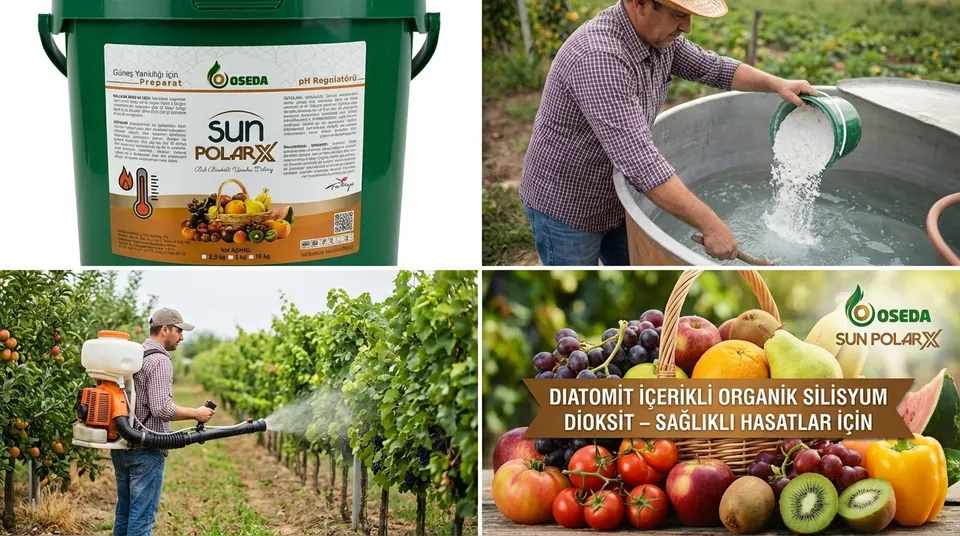
Sun Polar X
Sun Polar X, a diatomite-based organic silicon dioxide, reinforces cell walls, improves leaf-surface resilience and supports tolerance to heat, wind and water stress.